Loading...
Loading...
Loading...
Established in 1888 and incorporated in 1920, Kirloskar Brothers Limited (KBL) is the 5th generation of inheritors and is the flagship company of the Kirloskar Group, one of India’s first and most respected industrial conglomerates in the engineering sector, with an extensive presence in domestic and global markets.
Products
SKUs
Diversified sectors
Types of pumps
(40,000 HP)
(4,539 psi)
Lowest Lifecycle Cost (LLC™) pumps worldwide
(5,28,000 US GPM)
Types of valves
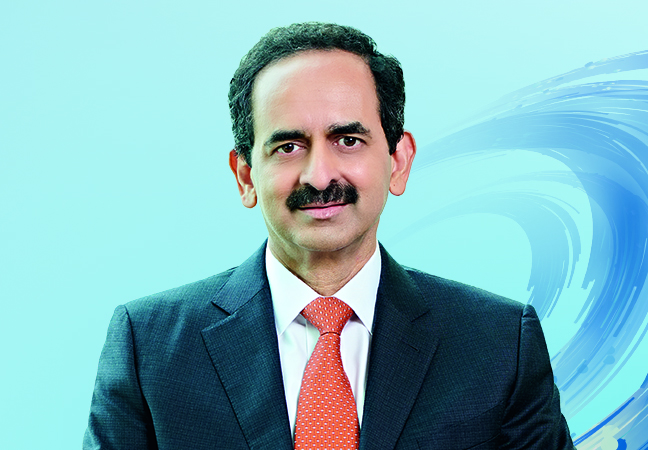
Sustainability is intrinsic to our strategy. We are intensifying initiatives that improve energy efficiency, reduce environmental impact and promote responsible resource management.”

As we celebrate 100 years of pump manufacturing, we do so with immense pride in a legacy that has consistently enabled progress across the nation.”
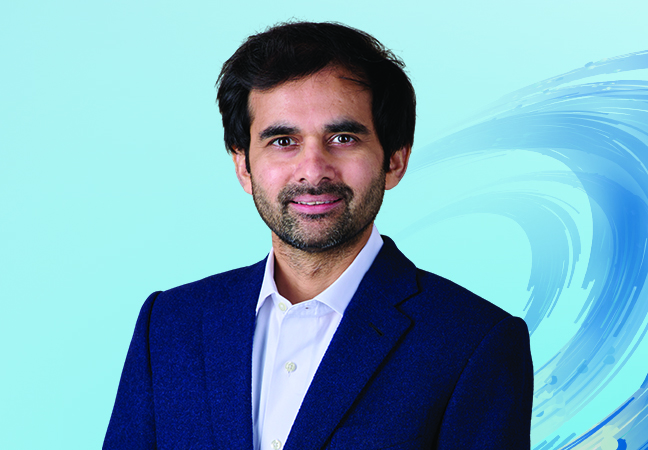
A significant milestone was achieved as all Group companies reported profitability during the year, underscoring the effectiveness of our strategic direction, governance framework and execution discipline.”

We consistently drive optimal value creation to drive long-term sustainable returns for our stakeholders.
Total Income
Return on Equity
Earnings per share


We pursue our growth aspirations through organic and inorganic expansion to increase our capacity, while also ensuring efficiency, safety and sustainability through innovative processes and technologies.
Number of products sold
Type-1 Ecolabelled Products
Output from inhouse foundries
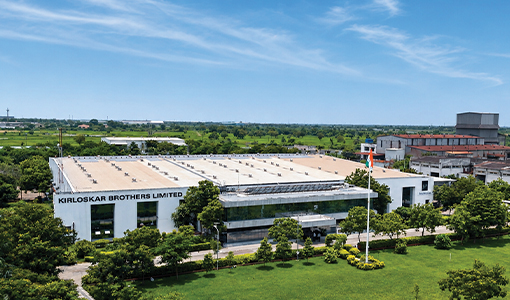

We are investing in disruptive technologies and digital transformation, driving improvement and innovation across businesses.
R&D spend
New Product Variants
BEE Star Rated Products
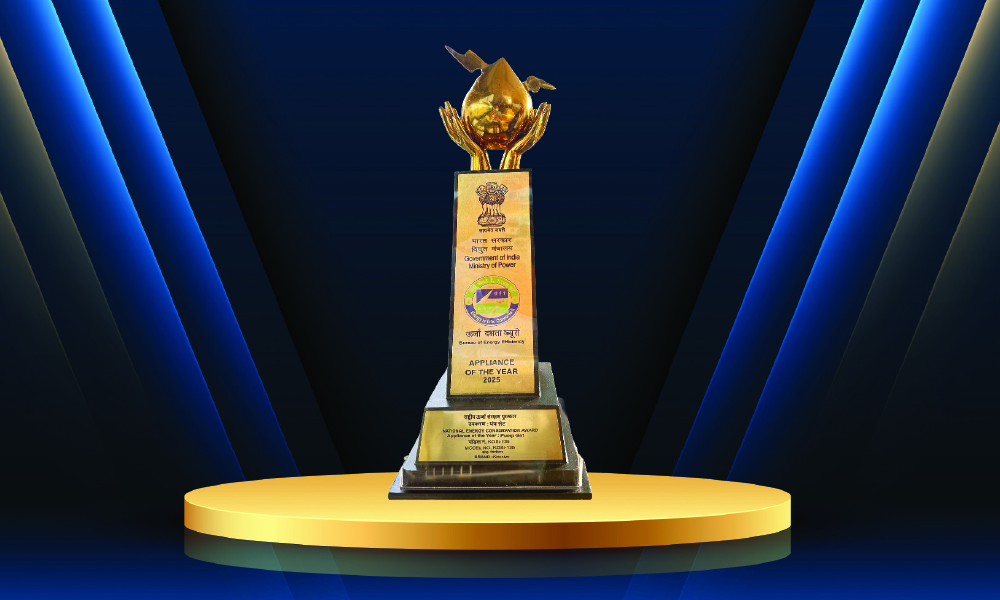

We work towards building a culture that promotes innovation and high performance and focusses on diversity and inclusion.
Women Leadership Workforce
Training mandays (Per employee)
Employee Engagement
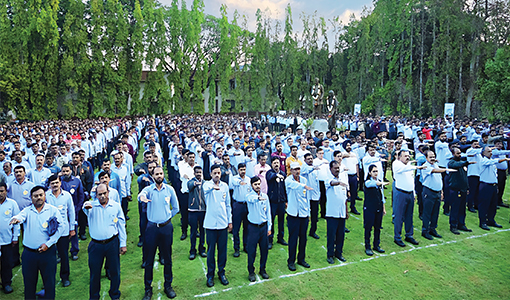

We believe in continuous stakeholder engagement and in nurturing long-term relationships with our customers, suppliers and communities.
CSR Spend
Channel Partners in India
Customer satisfaction index
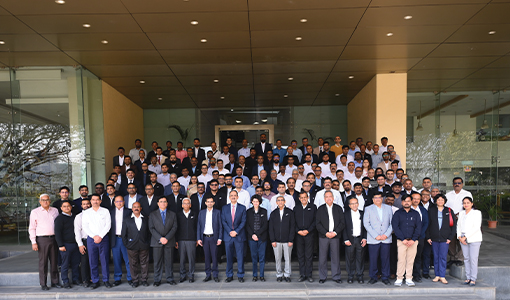

We are investing in environmental management to manage our ecological footprint.
Energy Consumption from Renewable Sources
Specific Water Consumption
Specific Energy Consumption

10% reduction in Specific Energy Consumption by 2030 (as a baseline of 2023-24)
Enhancement of Renewable Energy up to 70% by FY 2029-30
To achieve Water Neutrality by 2030
To achieve Net Zero in line with India’s target to become Net Zero by 2070
To enhance the use of recycled material above 50% during in-house processes and achieve “Zero Waste to Landfill” status for the manufacturing plants by 2030.
To ensure ‘‘No Net Loss’’ of Biodiversity across our operations
80% of the products shall be Type 1 Ecolabel Products by 2030